
As an EOS Implementer, December and January are busy, with most leadership teams doing their annual planning—working through reflections, priorities, and possibilities for the year ahead.
There’s usually fresh energy in the room, big ideas, and a renewed sense of optimism about what the year could hold.
At this time of year, most teams have:
- Reflected on the past year and captured key lessons learned
- Clarified their vision
- Set new goals
- Talked about where they want the business to go
All of that work matters. It’s necessary.
And yet, this is also the time of year when I see the seeds of future frustration quietly planted—not usually in the session room, but all around us. January is filled with conversations about goals and resolutions, most of which quietly fade by February. Not because people don’t care—but because they don’t focus on the system and disciplines required to make real progress.
Gino Wickman captures this well when he says, “Vision without traction is hallucination.” Clarity alone isn’t enough. Without a disciplined way to execute, even the best goals remain intentions.
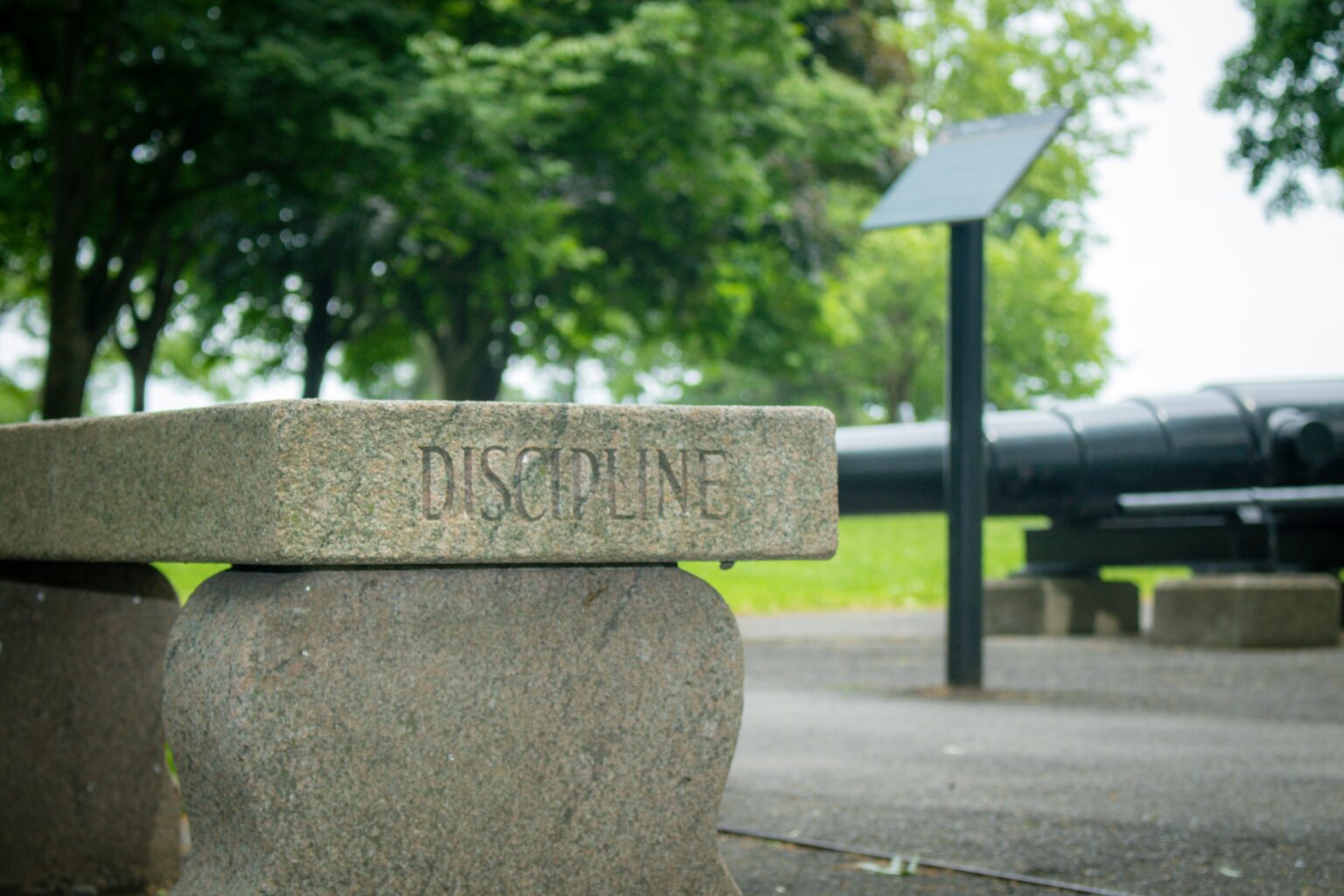
One of the biggest differences I see between teams that gain traction and those that don’t comes down to discipline. The teams that win don’t just plan well—they execute well. They resist getting pulled entirely into the day-to-day whirlwind and instead stay committed to the habits that drive results.
This is where a disciplined meeting pulse matters. Not meeting for the sake of meeting—but having a simple, consistent cadence that keeps the team focused on what matters most.
- Meeting weekly as a leadership team to review a handful of meaningful measurables, confirm that priorities are on track, and solve issues.
- Meeting quarterly to set and recommit to priorities that support the annual goals.
- Using clear ownership and healthy accountability to course-correct early rather than late.
It’s not complicated—but it does require discipline.
I often reference a quote from my friend and colleague, Justin Maust: “Success loves discipline.”
What I consistently see is that the companies that gain real traction are the most consistent with their disciplines. They show up. They track what matters. They do the hard work of staying focused when distractions inevitably appear.
I’ve seen this principle play out personally, as well. In March of 2023, I was frustrated with my lack of progress in health and fitness. I knew what I wanted — but intention alone wasn’t getting me there. I hired a coach and, more importantly, committed to a system he outlined for me: daily tracking, simple habits, and consistent disciplines. Some days the results didn’t look encouraging, but over time, the trend told a different story.
Between March and December that year, I lost 43 pounds—and built habits that have stuck. The system made the difference!
The same principle applies in business.
Another trap I see is setting too many goals. When everything is a priority, nothing is. Real traction comes from choosing a few critical objectives that truly matter—and having the structure and discipline to support them.
That’s why a system can be so powerful. Not because it adds complexity, but because it creates clarity, focus, and execution discipline.
As you move into this year, don’t just set goals. Use a system—and the disciplines—that will help you achieve them.
Because vision matters—but traction is what makes it real.